LASER STRETCH MARK REMOVAL IN DELHI
WHAT IS STRETCH MARKS :
We have three layers of skin: the epidermis, or outer layer; the dermis, or middle layer; and the subcutaneous stratum, or deepest layer. Stretch marks (also known as s tria atrophica and striae distensae) occur in the dermis, the elastic, resilient middle layer that allows skin to retain its shape. If stretch marks formed on the skin’s surface, they’d be much easier to treat. When the dermis is constantly stretched over time, the skin becomes less elastic and the connective fibers break. The result is the markings we know as stretch marks.
Depending on your natural skin coloring, stretch marks begin as raised pink, reddish brown or dark brown striations that then turn a brighter violet or purple. Gradually these bright marks flatten and fade to a color a few shades lighter than your natural skin tone. They usually become less noticeable over time.
Stretch marks can appear anywhere on the body where the skin has been stretched (often as a result of weight gain). They’re most likely to appear in places where fat is stored: the abdomen, breasts, upper arms, thighs and buttocks. They pose absolutely no health risk and don’t compromise your body’s ability to function healthily they are purely a cosmetic issue and need to be treated accordingly.
LASER TREATMENT FOR STRETCH MARK:
Laser treatments don’t remove stretch marks – they simply make them fade. The laser responds to dark colors only, so in the early stages, when stretch marks are dark red or brown, laser treatment will be effective. Faded, flesh-colored marks will probably not respond to laser treatment since they won’t be easily detected. A series of treatments might be required for visible results.
According to the American Society for Dermatologic Surgery, a surgeon will use different types of lasers depending on the color of the stretch marks one type reduces the color of dark stretch marks and another stimulates the production of pigment-making cells in already faded stretch marks. An even newer type of laser therapy can also be used to stimulate the production of collagen and help restore the skin’s elasticity in depressed stretch marks.
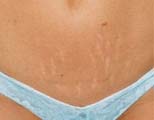
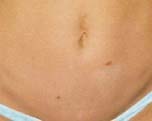
Disclaimer: Newlook Laser Clinic cannot give you any commitment that any treatment will vary person to person.
BENEFITS OF STRETCH MARK TREATMENT
- Visible improvement from the first 30 minute treatment
- The treatment is non-invasive with virtually no recovery time necessary; you can resume your normal duties immediately after treatment
- Improved confidence due to reduced appearance of stretch marks
- The only laser treatment which has been approved by the FDA for the treatment of stretch marks and scars
- Comfortable treatment sessions
- Minimal treatment side effects